

[ad_1]
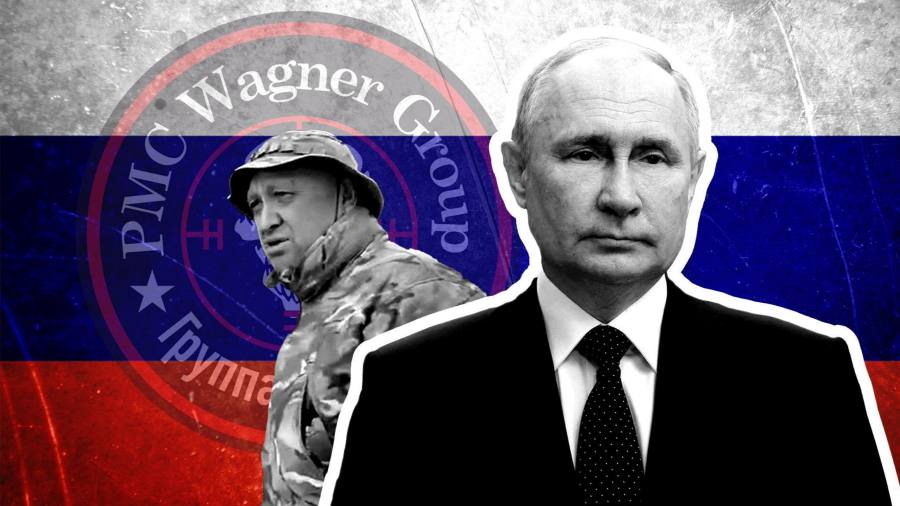
Vladimir Putin vowed to punish Yevgeny Prigozhin for “treason” over the warlord’s armed rebellion. Instead, the former Kremlin caterer and his Wagner Group walk free three decades after launching the first coup attempt in Russia.
People close to the Kremlin said Prigozhin’s failed coup ended abruptly, but it exposed deep flaws at the core of Putin’s rule, put his invasion of Ukraine in serious doubt, and threatened the state’s future if unrest flared up again. The risk of collapse increased. financial Times.
“Of course, this is a huge insult to Putin. It’s clear,” said a Russian oligarch who has known the Russian president since the 1990s. “Thousands of people are moving from Rostov to Moscow almost without resistance, and no one can do anything. Then (Putin) announced that he would be punished, and he was not punished. This is definitely a sign of weakness.”
At the root of the rebellion was frustration within Russia’s armed forces over how Putin was handling a full-scale invasion of Ukraine – to the extent that infighting between the paramilitary and regular armed forces almost led to the collapse of the state. Russia’s military and security services were unable to contain Prigozhin’s rebellion.
The ease with which Wagner launched his insurgency, the lack of resistance he faced from other security forces, and the enthusiastic reception his fighters received in the southern city of Rostov “damaged (Putin’s) reputation domestically”. , said Alexey Venediktov, former associate editor of the Echo of Moskvy radio station.
“It turns out that you can start a rebellion against the president, and be forgiven. It means the President is not that strong.”

The extraordinary events have prompted even staunchest supporters of the invasion to publicly question Russia’s rationale for it and raise concerns that more setbacks could follow.
“The whole world has seen that Russia is on the brink of a serious political crisis,” former Kremlin spin-doctor and lawmaker Sergei Markov wrote on Telegram. “Yes, the put was not successful, but there are fundamental reasons behind the put. And if those reasons remain, there may be another push-up. And it can be successful.”
For now, the Kremlin says it has played down Prigozhin’s threat after the warlord agreed to leave Belarus to Russia in exchange for a promise not to prosecute him or Wagner’s fighters.
On Sunday, Russian state media attempted to show that life was largely returning to normal. Municipal crews mobilized to repair highways damaged by Wagner’s advance, while Russian forces recaptured the command center in Rostov, which Wagner had taken the day before.
But Russia’s attempt to downplay the incident as an inconvenient setback belies the deeper problems the invasion of Ukraine has created for Putin’s regime.
Russian political scientist Ekaterina Shulman said, “You can’t see this as anything other than a sign of weakness and dysfunction.” “This is not some kind of unexpected one-off event or external shock. It is an integral part of war,” he said.

The Kremlin insisted on Saturday that Prigozhin’s mutiny would have no impact on its handling of the war. But Wagner’s prominent role in the front line was itself a result of how the Russians mishandled the invasion.
Initially formed to fight covertly in conflicts around the world, Putin redeployed Wagner’s men to Ukraine when the invasion plan failed. He then allowed Prigozhin to rise in rank by personally signing amnesties for convicted criminals who had joined to fight.
Shulman said, “They started a war they shouldn’t have, they couldn’t run it properly and they decided to resort to extremes by allowing an army of prisoners to besiege them.” “He became a political actor, and he had to deal with it. One thing leads to another.”
According to people close to the Kremlin, Putin’s reluctance to end Prigozhin’s months-long public spat with the Defense Ministry has convinced the former caterer that he was powerful enough to succeed in his coup attempt.
But the episode has also proved damaging for Prigozhin after he failed to secure the resignations of Defense Minister Sergei Shoigu or the commander of Russia’s assault forces, Valery Gerasimov.
Some of Wagner’s troops will sign a contract with the Defense Ministry, the Kremlin said. This comes after Prigozhin said that his group would never present itself to Shoigu as an affront – a move that would rob him of the money and influence that would have come only from answering personally to Putin.

According to a person who had known the chieftain since the early 1990s, once the rebellion began, Prigozhin had little idea of how to successfully deal with it.
“I don’t think he had anything specific in mind. He just decided to go and convince Putin that he should keep all the money they took away from him,” the person said. “Then the situation got completely out of control.”
“At some point he realized he didn’t know what to do next. You reach Moscow, and then what? You open the doors of a dozen prisons, some unimaginable devil comes out, the country is ruined, and then you reach the Kremlin. , , And you don’t know what to do.”
The scandalous episode will probably prompt Putin to eliminate Wagner and ensure it can no longer threaten the state, said Alexander Gabuev, director of the Carnegie Russia Eurasia Center.
Gabeuw said, “They promised not to touch anyone, but I think it is entirely possible that someone will be jailed, or die under mysterious circumstances, to scare the rest of the people away.” “Putin must have realized by now how weak the system is and will try to fix it.”
Much remains unclear about how Russia persuaded Prigozhin to step down, with many in the Russian elite suspecting that Belarus President Alexander Lukashenko, who apparently brokered the deal, is a powerful figure in Russia. were a stand-in for persons.
“Everyone wanted to call (Prygozhin) and make a deal. And in the end they found a more reasonable middleman in Luka, who found a way for both sides to retreat,” said a person close to Prigozhin.
Having failed to contain the rebellion, Russia’s elite are unlikely to escape, Putin now conscious of the threat to his power. “It was a colossal counter-intelligence failure. The CIA knew this was going to happen, and your own secret services didn’t know or reported it. That’s why he’s going to tighten the screws and keep the elite on the sidelines,” Gabuev said.
But even wholesale changes may not be enough to restore order, the elite said. After Russia’s war effort began to falter the previous year, many in Russia’s elite began discussing the possibility of a “Time of Troubles”, a repeat of the long, violent political crisis of the early 17th century, when Various factions competed for the throne.
But even so, the elite said, “If this started I expected the military to intervene immediately. And they didn’t. It’s surprising.”

[ad_1]
Vladimir Putin vowed to punish Yevgeny Prigozhin for “treason” over the warlord’s armed rebellion. Instead, the former Kremlin caterer and his Wagner Group walk free three decades after launching the first coup attempt in Russia.
People close to the Kremlin said Prigozhin’s failed coup ended abruptly, but it exposed deep flaws at the core of Putin’s rule, put his invasion of Ukraine in serious doubt, and threatened the state’s future if unrest flared up again. The risk of collapse increased. financial Times.
“Of course, this is a huge insult to Putin. It’s clear,” said a Russian oligarch who has known the Russian president since the 1990s. “Thousands of people are moving from Rostov to Moscow almost without resistance, and no one can do anything. Then (Putin) announced that he would be punished, and he was not punished. This is definitely a sign of weakness.”
At the root of the rebellion was frustration within Russia’s armed forces over how Putin was handling a full-scale invasion of Ukraine – to the extent that infighting between the paramilitary and regular armed forces almost led to the collapse of the state. Russia’s military and security services were unable to contain Prigozhin’s rebellion.
The ease with which Wagner launched his insurgency, the lack of resistance he faced from other security forces, and the enthusiastic reception his fighters received in the southern city of Rostov “damaged (Putin’s) reputation domestically”. , said Alexey Venediktov, former associate editor of the Echo of Moskvy radio station.
“It turns out that you can start a rebellion against the president, and be forgiven. It means the President is not that strong.”
The extraordinary events have prompted even staunchest supporters of the invasion to publicly question Russia’s rationale for it and raise concerns that more setbacks could follow.
“The whole world has seen that Russia is on the brink of a serious political crisis,” former Kremlin spin-doctor and lawmaker Sergei Markov wrote on Telegram. “Yes, the put was not successful, but there are fundamental reasons behind the put. And if those reasons remain, there may be another push-up. And it can be successful.”
For now, the Kremlin says it has played down Prigozhin’s threat after the warlord agreed to leave Belarus to Russia in exchange for a promise not to prosecute him or Wagner’s fighters.
On Sunday, Russian state media attempted to show that life was largely returning to normal. Municipal crews mobilized to repair highways damaged by Wagner’s advance, while Russian forces recaptured the command center in Rostov, which Wagner had taken the day before.
But Russia’s attempt to downplay the incident as an inconvenient setback belies the deeper problems the invasion of Ukraine has created for Putin’s regime.
Russian political scientist Ekaterina Shulman said, “You can’t see this as anything other than a sign of weakness and dysfunction.” “This is not some kind of unexpected one-off event or external shock. It is an integral part of war,” he said.
The Kremlin insisted on Saturday that Prigozhin’s mutiny would have no impact on its handling of the war. But Wagner’s prominent role in the front line was itself a result of how the Russians mishandled the invasion.
Initially formed to fight covertly in conflicts around the world, Putin redeployed Wagner’s men to Ukraine when the invasion plan failed. He then allowed Prigozhin to rise in rank by personally signing amnesties for convicted criminals who had joined to fight.
Shulman said, “They started a war they shouldn’t have, they couldn’t run it properly and they decided to resort to extremes by allowing an army of prisoners to besiege them.” “He became a political actor, and he had to deal with it. One thing leads to another.”
According to people close to the Kremlin, Putin’s reluctance to end Prigozhin’s months-long public spat with the Defense Ministry has convinced the former caterer that he was powerful enough to succeed in his coup attempt.
But the episode has also proved damaging for Prigozhin after he failed to secure the resignations of Defense Minister Sergei Shoigu or the commander of Russia’s assault forces, Valery Gerasimov.
Some of Wagner’s troops will sign a contract with the Defense Ministry, the Kremlin said. This comes after Prigozhin said that his group would never present itself to Shoigu as an affront – a move that would rob him of the money and influence that would have come only from answering personally to Putin.
According to a person who had known the chieftain since the early 1990s, once the rebellion began, Prigozhin had little idea of how to successfully deal with it.
“I don’t think he had anything specific in mind. He just decided to go and convince Putin that he should keep all the money they took away from him,” the person said. “Then the situation got completely out of control.”
“At some point he realized he didn’t know what to do next. You reach Moscow, and then what? You open the doors of a dozen prisons, some unimaginable devil comes out, the country is ruined, and then you reach the Kremlin. , , And you don’t know what to do.”
The scandalous episode will probably prompt Putin to eliminate Wagner and ensure it can no longer threaten the state, said Alexander Gabuev, director of the Carnegie Russia Eurasia Center.
Gabeuw said, “They promised not to touch anyone, but I think it is entirely possible that someone will be jailed, or die under mysterious circumstances, to scare the rest of the people away.” “Putin must have realized by now how weak the system is and will try to fix it.”
Much remains unclear about how Russia persuaded Prigozhin to step down, with many in the Russian elite suspecting that Belarus President Alexander Lukashenko, who apparently brokered the deal, is a powerful figure in Russia. were a stand-in for persons.
“Everyone wanted to call (Prygozhin) and make a deal. And in the end they found a more reasonable middleman in Luka, who found a way for both sides to retreat,” said a person close to Prigozhin.
Having failed to contain the rebellion, Russia’s elite are unlikely to escape, Putin now conscious of the threat to his power. “It was a colossal counter-intelligence failure. The CIA knew this was going to happen, and your own secret services didn’t know or reported it. That’s why he’s going to tighten the screws and keep the elite on the sidelines,” Gabuev said.
But even wholesale changes may not be enough to restore order, the elite said. After Russia’s war effort began to falter the previous year, many in Russia’s elite began discussing the possibility of a “Time of Troubles”, a repeat of the long, violent political crisis of the early 17th century, when Various factions competed for the throne.
But even so, the elite said, “If this started I expected the military to intervene immediately. And they didn’t. It’s surprising.”